
The International Baccalaureate (IB) is a challenging, worldwide education program for students ages 3–19. It focuses on critical thinking, well-rounded learning, and understanding different cultures. The program includes four stages, ending with the two-year Diploma Programme (DP) for high school students, which helps prepare them for college and life in a global society.
Bitia Saravia champions global mindset
Story by JOYCELYNE FADOJUTIMI
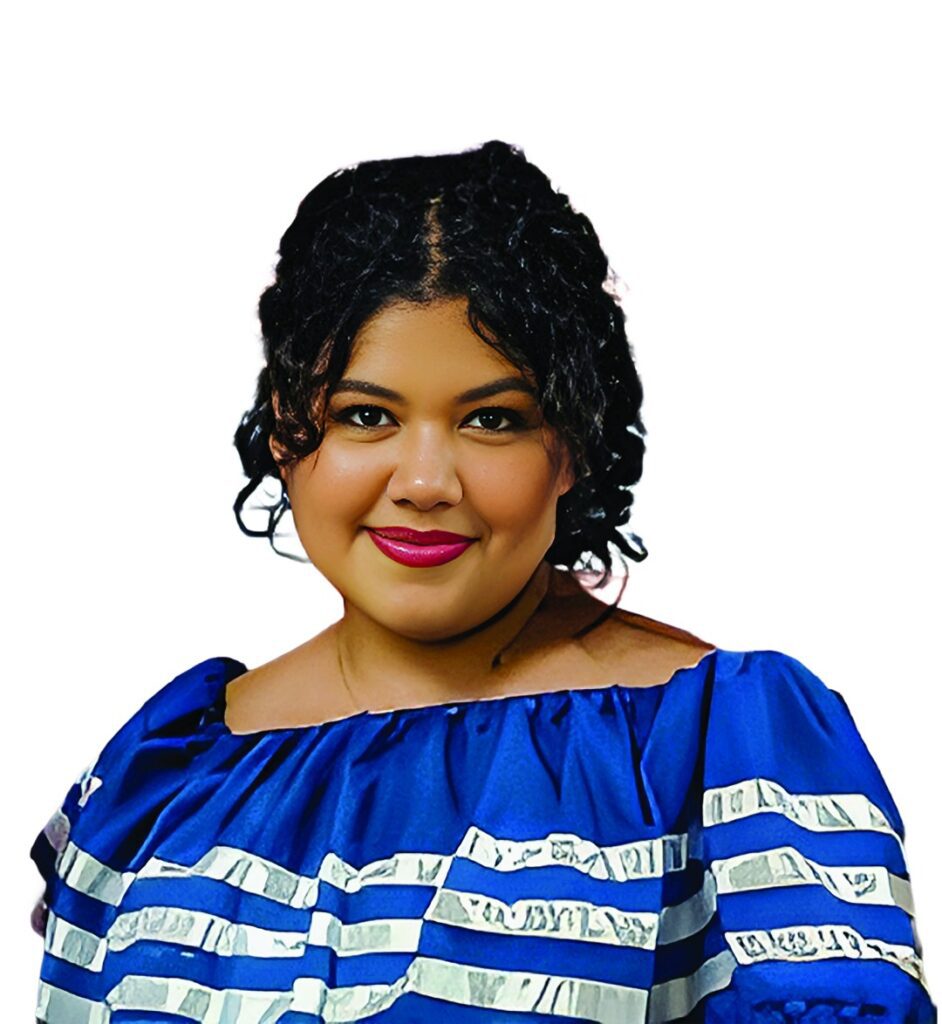
“I can’t think of a framework that better prepares students to be global citizens.”
Bitia Saravia, Bingual Educator at J.L. Everhart Elementary
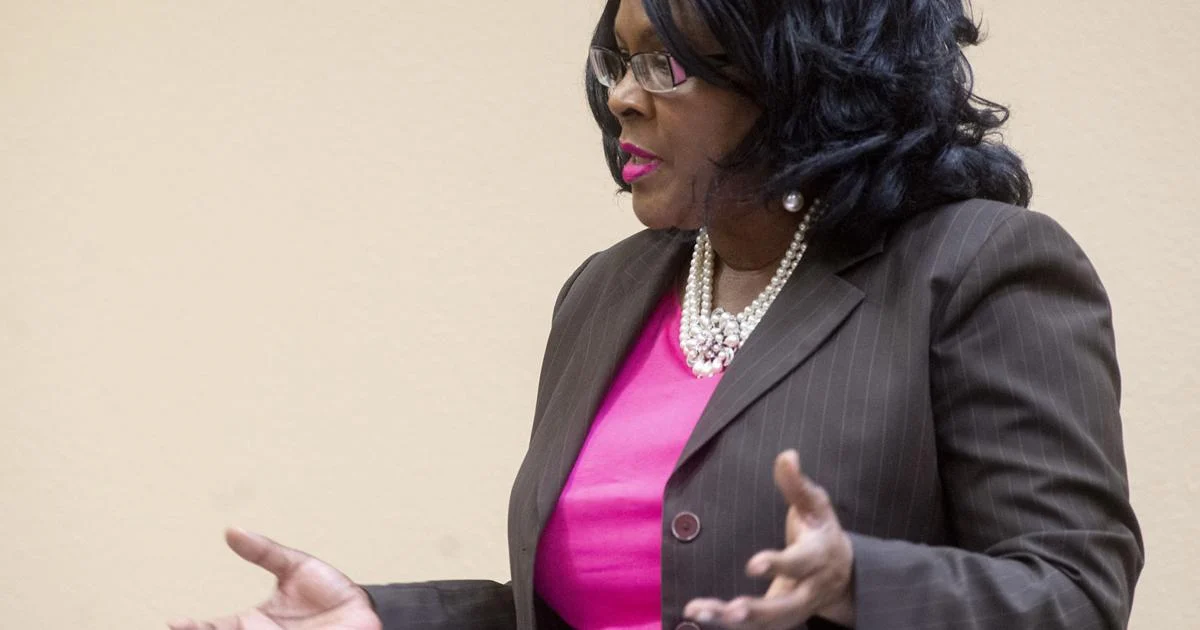
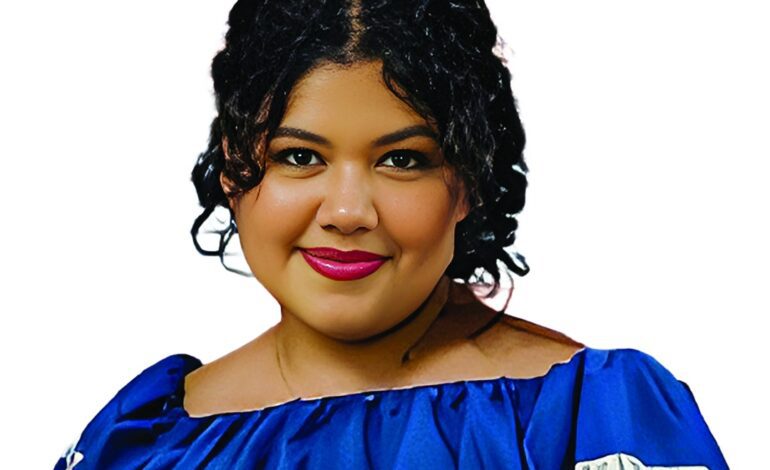
For 13 years, bilingual educator Bitia Saravia has been a fixture at J.L. Everhart Elementary, drawn early in her career to the school’s distinctive academic model. When she attended a job fair in 2013, Everhart stood out as the district’s only elementary campus authorized to offer the International Baccalaureate (IB) program—a framework that immediately resonated with her training and philosophy.
Saravia first encountered IB concepts while studying at the University of Texas at Tyler, where she learned about the program’s origins in the aftermath of World War II. Its mission—to cultivate open-minded, caring students capable of contributing to a more peaceful world—aligned closely with her own educational beliefs. “It was a natural fit,” she said, reflecting on a career choice she has never reconsidered.
What distinguishes IB from more traditional academic models, Saravia explained, is its emphasis on educating the whole child. While academic achievement remains important, the framework also prioritizes personal development, character, and identity.
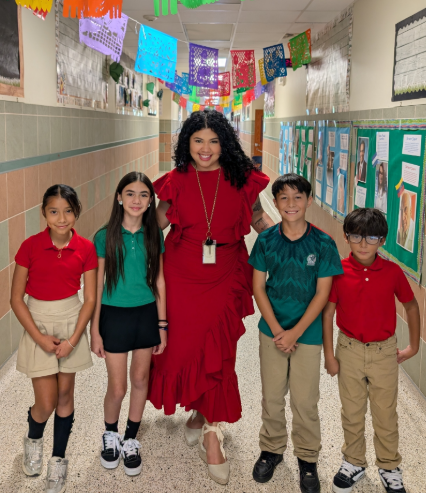
“It’s not just about what students know,” she said. “It’s about who they are becoming.”
Central to that philosophy is the program’s focus on inquiry-based learning. Rather than relying solely on prescribed content, IB classrooms encourage students to ask questions and guide their own exploration. Saravia incorporates these principles daily, often weaving student curiosity into required lessons.
She recalled a moment when a student’s question about the meaning behind a song—“Lo que pasó en Hawaii”—became the foundation for a broader lesson on how authors organize texts for different purposes. By connecting the student’s interest to academic standards, Saravia said, the lesson deepened engagement and encouraged critical thinking across the classroom.
“That validation of their questions inspires other students to think more deeply,” she noted. “I want them to question everything—even me.”
IB’s broader goal, according to Saravia, is to prepare students to navigate global challenges. The program’s “learner profile” promotes traits such as communication, open-mindedness, empathy, and risk-taking—qualities essential in an increasingly interconnected world. Multilingualism, a key component of IB, further equips students to engage across cultures.
Beyond the classroom, students are encouraged to apply their learning in real-world contexts. Community involvement and problem-solving are integral parts of the IB experience, reinforcing the idea that education extends beyond textbooks.
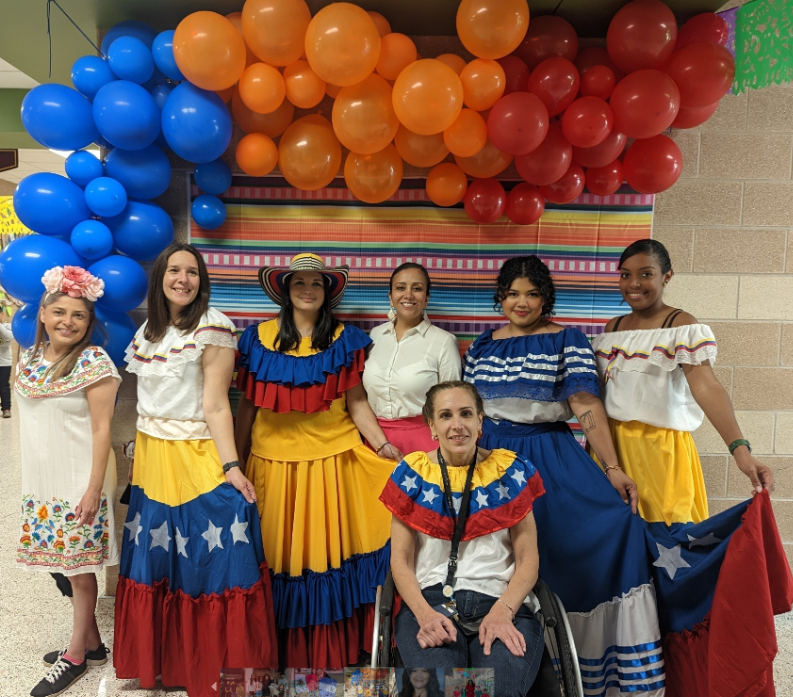
HHM with some members from my bilingual team
While Saravia does not see significant challenges for IB students at the elementary level, she emphasizes the importance of maintaining balance between academic rigor and student well-being. Her classroom prioritizes a supportive environment where progress outweighs perfection, and individual goals are regularly revisited and adjusted.
She also highlights the program’s “approaches to learning” skills, which include communication, research, self-management, and social development. These competencies, she said, help students better understand how they learn while fostering habits that support both academic success and personal well-being.
Looking ahead, Saravia believes IB’s relevance will only grow as technology continues to connect people across the globe. With its focus on critical thinking and cultural awareness, she sees the program as uniquely positioned to prepare future generations.
“I can’t think of a framework that better prepares students to be global citizens,” she said.