Keeping our promise to veterans includes funding transit

By Stewart Schwartz
For too many veterans — especially those living on fixed incomes or in rural communities — the simple question of how to get to a doctor’s appointment, job interview, or classroom can determine whether civilian life is stable or precarious.
Reliable buses, trains, and paratransit services help veterans live affordably and access care from the Veterans Administration. When transportation fails, the consequences ripple outward from missed appointments to worsening health outcomes and higher stress.
Congress cannot fulfill our nation’s promise to those who served without robust, sustained funding for both rural and urban transit systems — and for the veterans’ programs that depend on them.
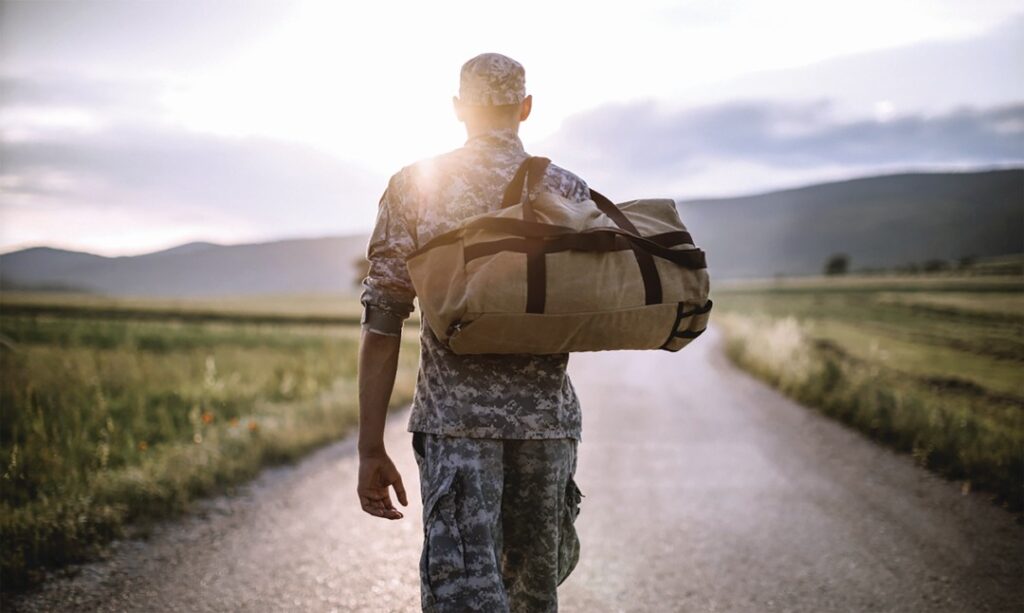
With monthly car payments reaching record highs, transit offers veterans and everyone else direct economic relief. And for veterans managing PTSD or anxiety, pre-paid or guaranteed transit options can also reduce the transactional stress of every trip, turning travel from a source of dread into a predictable routine.
Nowhere is the transportation gap more punishing than in rural America.
Of the 4.7 million veterans who live in rural areas, about 60 percent rely on the Veterans Health Administration for care. Yet only one quarter of all veterans live within 40 miles of a VHA facility offering full specialty care. In rural regions, some veterans travel an average of 74 miles each way for appointments.
The good news is that we know how to do better.
First, Congress should support proven programs. The Veterans Transportation Service Program and the Highly Rural Transportation Grant Program have helped countless veterans reach care. And bipartisan efforts like the Rural Veterans Travel Enhancement Act and the Rural Veterans Transportation to Care Act deserve continued and expanded support.
Second, we should improve efficiency by pooling funding. Today, multiple federal agencies fund veterans’ transportation, each with different rules and eligibility requirements. A pilot program at the Federal Transit Administration to help states coordinate and pool these funding streams would reduce red tape, stretch dollars further, and get more veterans where they need to go.
Third, we must bolster paratransit. Between 2018 and 2023, the number of volunteers and rides provided through the VA’s Volunteer Transportation Network dropped by half. Strengthening paratransit services ensures that veterans with disabilities — and all people who cannot use fixed-route transit — have reliable access to care and community life.
Fourth, we need to invest in fixed-route service. Frequent, consistent buses and trains serve veterans and their families no matter the trip purpose or physical ability.
Finally, Congress should create a competitive rural mobility innovation fund. Rural communities need flexibility to test new approaches that improve reliability, expand mobility choices, and lower costs — all while meeting veterans where they are.
Keeping faith with veterans means more than saying “thank you for your service.” It means removing the barriers that stand between them and the care, opportunity, and dignity they earned. When we make it easier for veterans to get where they need to go, we don’t just save money — we honor a promise.